Porsche 911 Range and MPG: How Much Gas Does a 911 Really Use?
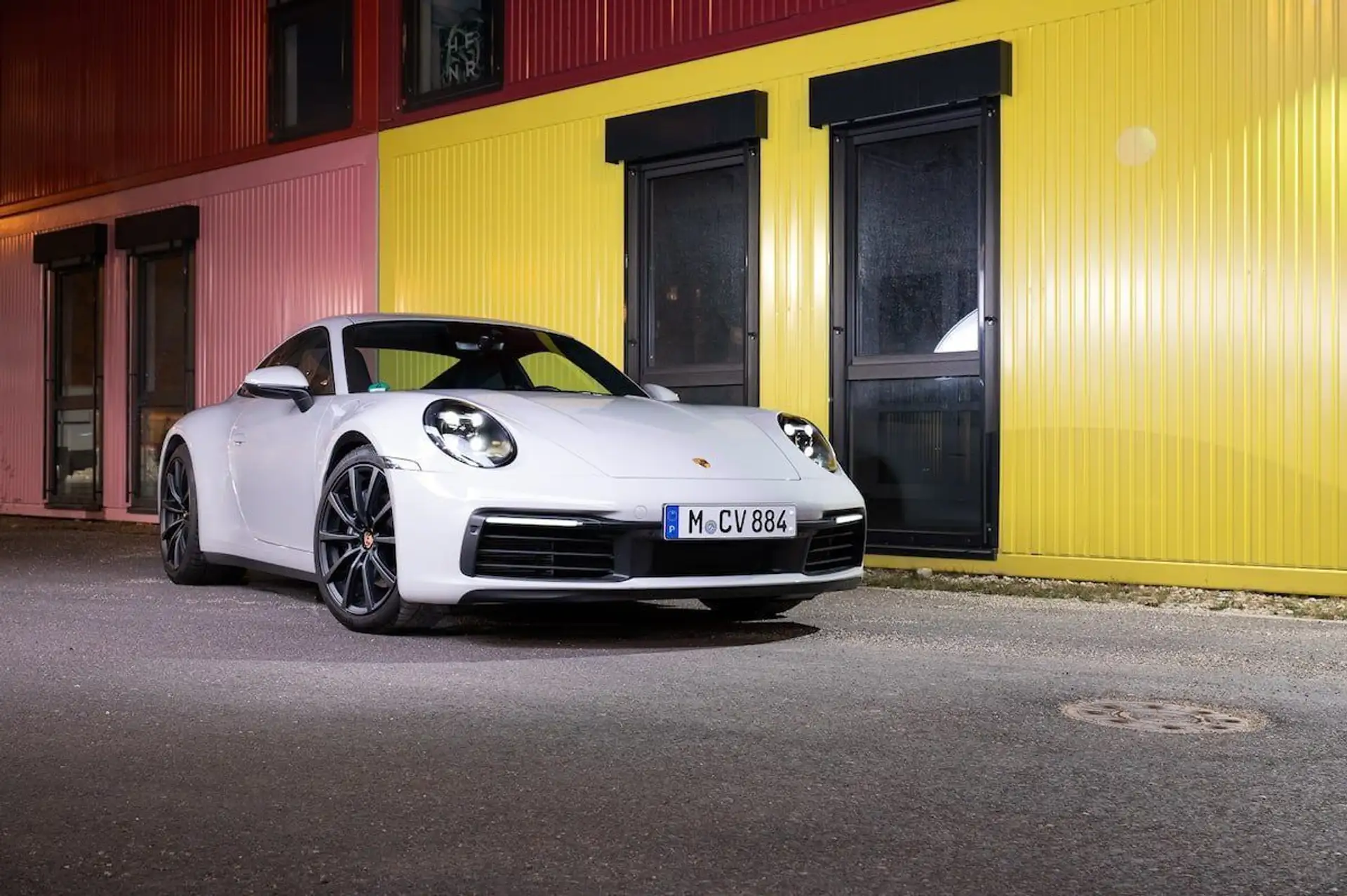
Porsche builds what are probably the most coveted sports cars in the world: the 911, the flagship of the Stuttgart manufacturer, is a status symbol like no other. As a rental company with more than just a couple of 911s in the portfolio, we're in a very rare and privileged position. Based on a few million miles of experience, we can tell you exactly how far the various Porsche models get in real-world traffic.
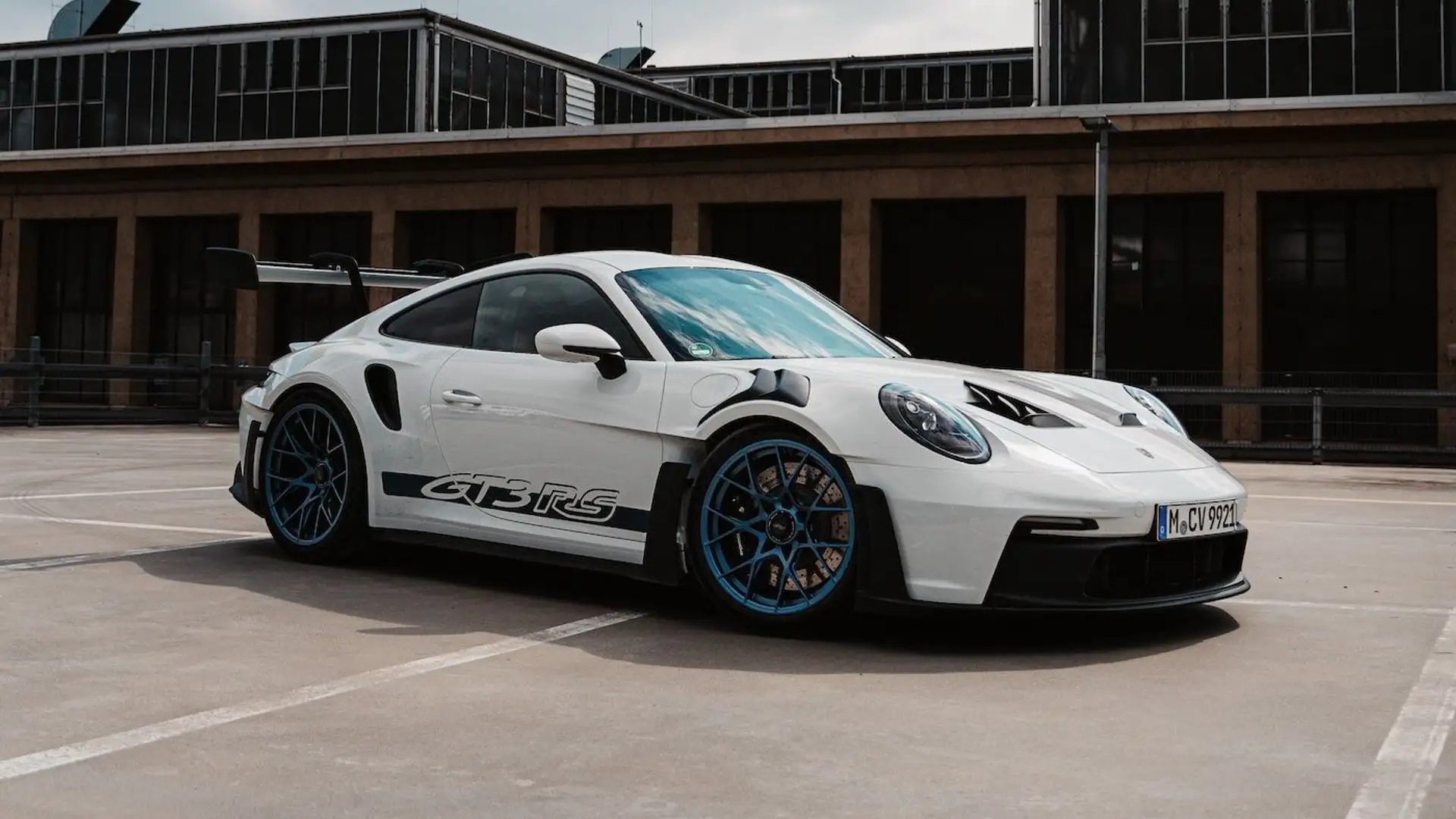
Hardly any other brand is as strongly represented in our fleet: our garage holds almost every modern version of the Cayenne, the 718 Boxster and Cayman, and the 911 - including the rare 718 Spyder RS, 911 GT3 Touring and 911 GT3 RS. If you want to experience the legendary Porsche yourself, use our booking tool right away to check availability.
Table of Contents
Porsche 911 range: how far does the Stuttgart icon go?
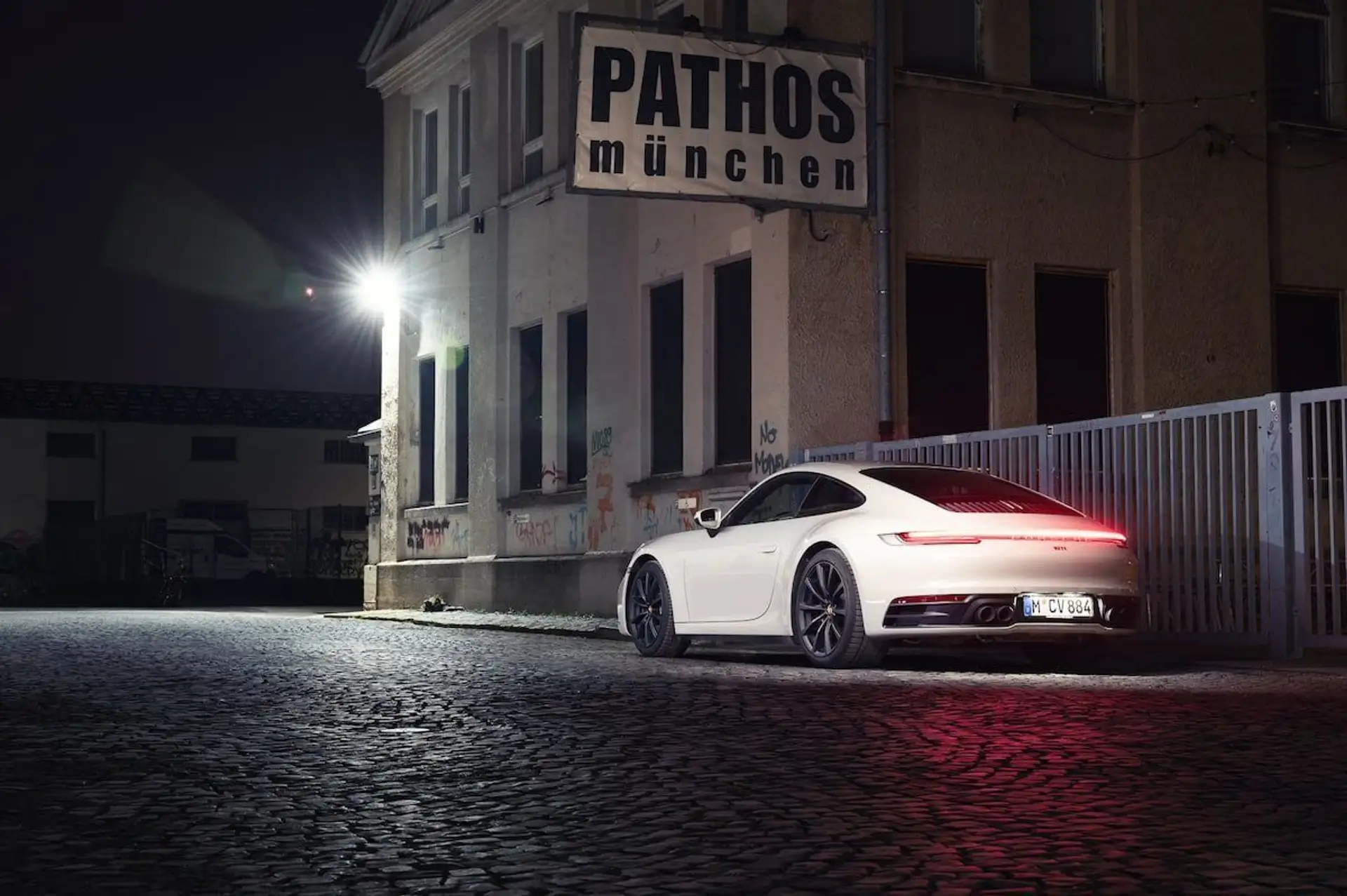
A reliable engine, timeless design and breakneck speed on top, the 911 combines all of that in one machine. That fuel consumption takes a back seat here will probably surprise very few people. Compared to other sports cars, though, there's a lot you can do about consumption. The most important factors are the engine, the gas you fill up with and the tank size – but also your driving style. We'll show you what really makes the difference.
Porsche 911: factors built into the car
The engine
The one thing you can't change or adjust on your car in a hurry sits under the hood, and yet the differences, say between a base 911 and the GT3 version, aren't nearly as massive as you'd think. After all, the latter has a 4.0-liter engine transplanted into it that delivers an output of 500-plus hp.
Naturally, it still uses more: despite all the optimization and efficiency gains, more gas simply gets burned. As always: the more horsepower you have, the more fuel you use.
The tank size
It may be obvious, but tank size also decides your range. Porsche offers 2 sizes in the configurator: customers can choose between 16.9 and 22.2 gallons (64 and 84 liters). Interestingly, in practically every case it's worth paying €190 extra in Germany for the larger tank, because the car is handed over to you with a full tank.
At a German gas price of about €2 per liter (roughly $8 a gallon) and a difference of 5.3 gallons, that's €40 the dealership essentially gives you for free. Plus, you get the advantage of covering noticeably longer distances in the future. If you drive a lot, the upgrade definitely pays off.
911 range: the driver's decisions
Driving style
Still, these supercars can be driven surprisingly economically, so it comes down less to the engine and more to the driver. From our own experience, we can safely say that a base 911 can manage 36 mpg (6.5 l/100 km), provided you drive with restraint and plenty of anticipation.
If you want to get from A to B a bit faster and find a pleasantly empty, derestricted stretch of Autobahn ahead of you, you can drop the frugal driving style for a while. Push the gas pedal properly, and you'd better have the next gas station planned already. Because then you can expect consumption of 18 to 20 mpg (12 to 13 l/100 km).
With a GT3, consumption under a gentler driving style is a good 26 to 29 mpg - not exactly little, but nothing to worry about. It's a different story with sporty use, for example on the track: 15 to 18 mpg is entirely possible there.
The fuel
How much a 911 actually uses is also decided at the pump. After all, gas isn't always the same gas: in Germany, E10, Super (E5) and Super Plus differ significantly in certain respects, depending on the fuel type, you can use more or less.
Thanks to its higher octane rating, Super Plus (98 RON, roughly the equivalent of US 93-octane premium) burns more evenly, is easier on the engine and the tank empties more slowly. With knock resistance, however, the price goes up, too - Super Plus sometimes costs considerably more per liter than E5.
CarVia verdict: Porsche 911 range
How far you actually get with the sports car classic from Stuttgart is therefore entirely up to you. Engine size alone isn't remotely enough as an indicator. So what's the maximum range we can achieve with a Porsche 911?
Let's assume a base 911 with the 22.2-gallon tank. You drive with anticipation, stick to the recommended highway speed (81 mph on the German Autobahn) and choose Super Plus to go easy on the engine. Purely in theory, that gets us a range of 745 miles.
That you'll never achieve that in real-world traffic should be clear to everyone, though. After all, plenty of different environmental factors play a big role, too. Corners, elevation changes, air resistance, other road users, traffic signs - the list of factors eating into your fuel supply seems endless.
On average, you should expect a real-world consumption of about 24 mpg (10 l/100 km), which still leaves 520 miles with the big tank and about 400 with the small one. Depending on how much power the car has and how you behave on the road, that can even be possible with a GT3 RS - but driving slowly in a car like that is sacrilege.
If you still want to try putting the 911's range to the test, you'll find all sorts of versions of the sports car in our fleet. Check the availability of our Porsches right now and book today!
Articles that might interest you

BMW i8 - The Underrated Hybrid Sports Car

Porsche 911 (992) Carrera S Cabriolet: How It Compares to the 991

Audi R8 V10 Spyder Review - Power, Sound and Brutal Depreciation

Is the Porsche Cayman GTS 4.0 with Its Flat-Six Just as Good as a GT4?

Porsche 911 Turbo S - The Best Car in the World?

Our BMW M4 Competition (G82) Review - A True Sports Car?
Porsche 911 GT3 Review: Our Verdict After 18,600 Miles

Porsche Taycan Range: Range Anxiety in an Electric Supercar?
Tesla Model 3: Range in Winter